Audio
AirPods Pro 2: Small earbuds, considered compromises
Noise cancellation, useful controls and a pocketable case make a persuasive combination. The right choice still depends on your phone and your fit.
 DAMAO
Independent reviews. Considered choices.
A compact Siri speaker can make sense in an Apple household. Compatibility and listening habits matter more than the small footprint.
Original editorial analysis based on published specifications and credited reporting. DAMAO has not performed hands-on or laboratory testing of this product. Model and software details matter; check the exact version before buying.
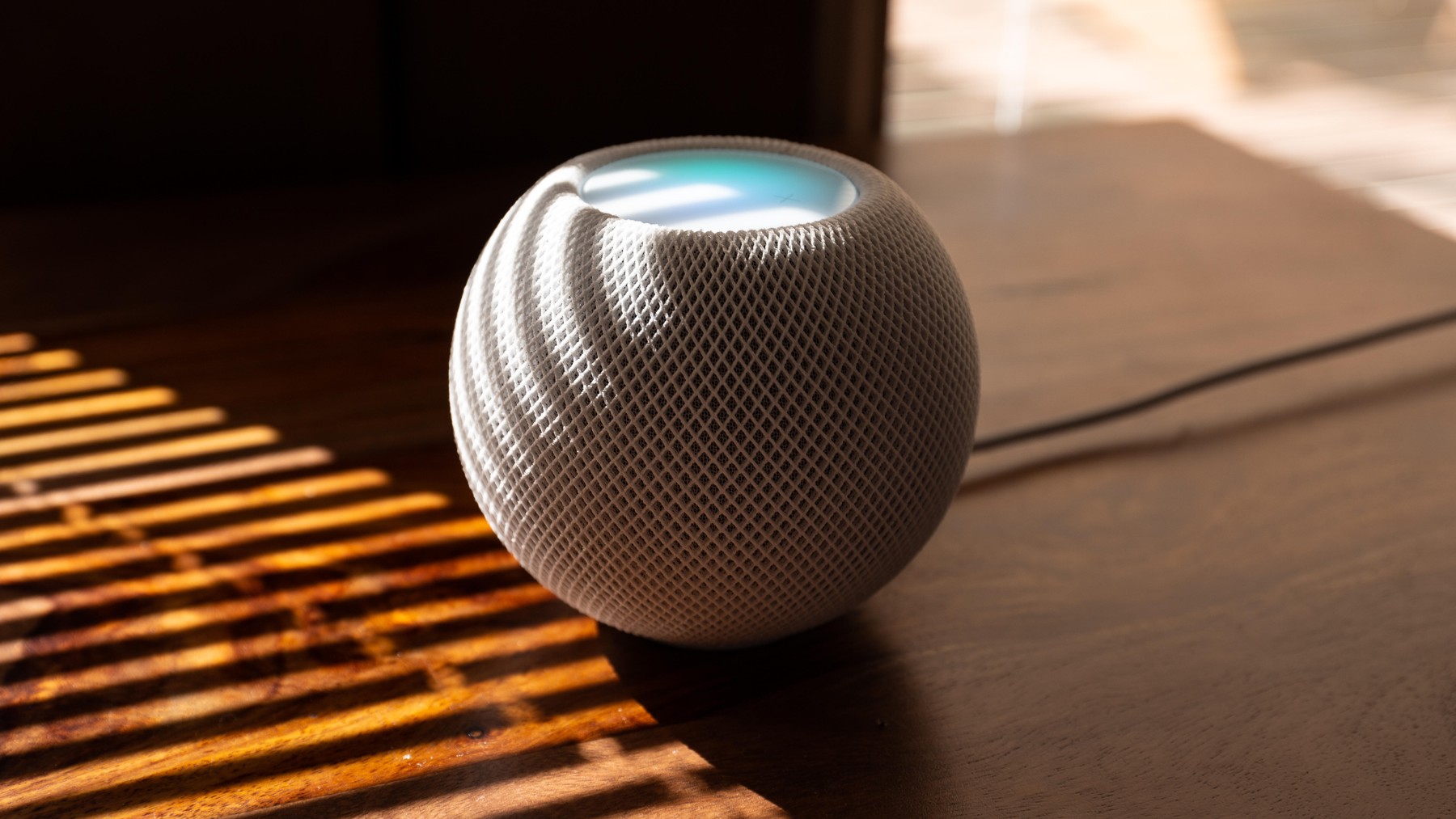
The original HomePod mini is a compact, mains-powered smart speaker built around Siri and Apple services. It is tempting to judge a device this small as a simple accessory. In practice, the buying decision starts with the phones, music services and home accessories you already own. This review covers the original HomePod mini shown in the photographs, rather than assuming every similarly named model has identical features.
The fabric-covered sphere is easy to place on a shelf or a desk, but it still needs a power connection. This is not a battery speaker to take between the garden and the kitchen. Plan the cable route before choosing a location, especially if the most attractive shelf is a long way from an outlet.
Apple lists a full-range driver and passive radiators. That specification explains the design approach, but it does not tell us how the speaker will behave in your room. We have not measured its output or frequency response. A small enclosure should be assessed against the scale of the job: background listening in a modest space is different from filling a large living room.
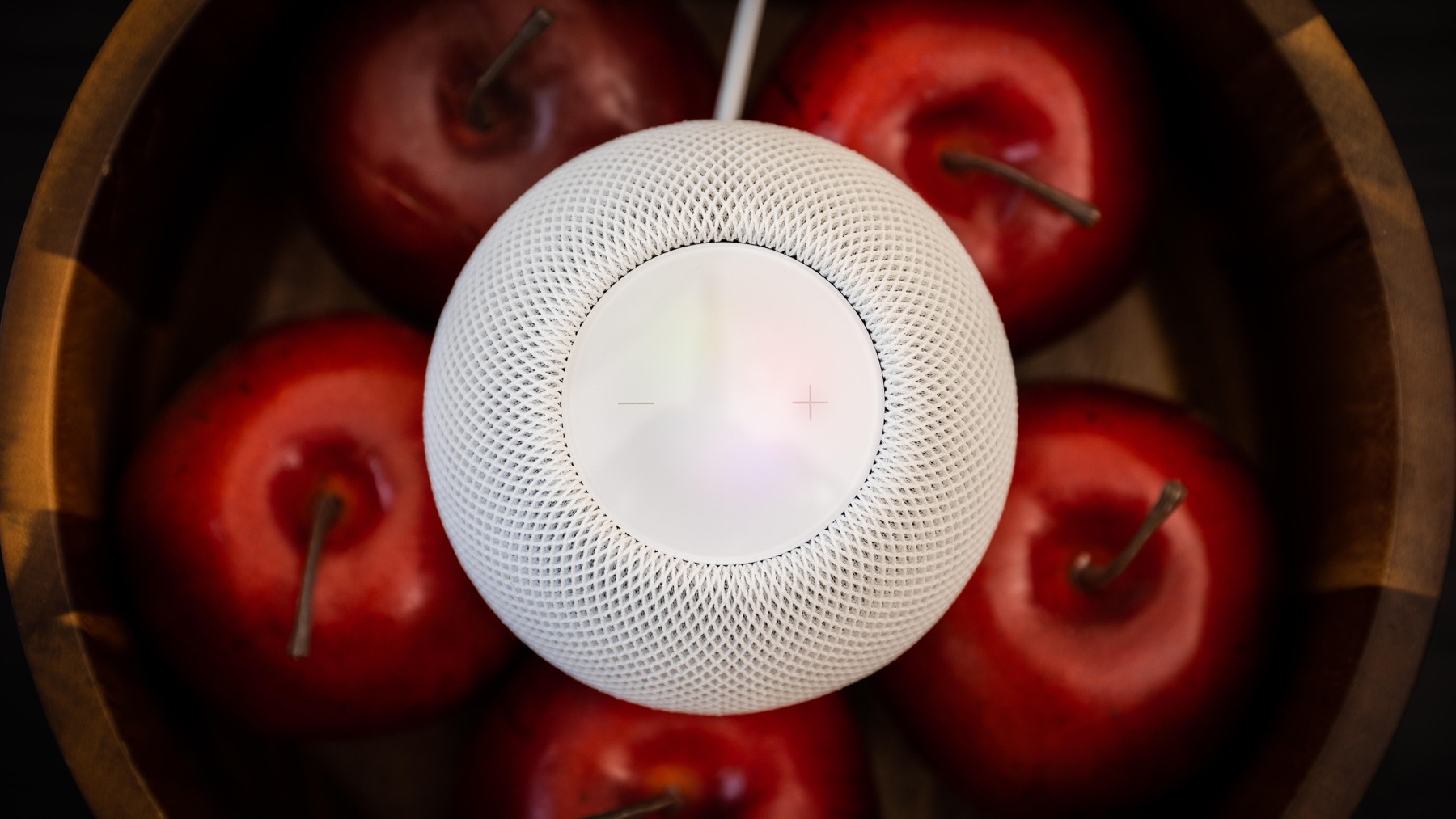
Siri and AirPlay are central to the experience. For someone already using compatible Apple devices, they can make a speaker feel like part of a familiar system. For a household built around another platform, they can turn a simple purchase into a change of habits. The best speaker is not necessarily the one that asks the whole family to change phones or services.
Check your music service and the precise interaction you want. Playing from a phone, asking for a specific track by voice and sharing control among household members are separate workflows. Support for one should not be taken as proof of the others. Make a short list of the commands you expect to use and check those before purchasing.
HomePod mini can play a role in a compatible Apple home setup, but a hub does not make every existing light, lock or sensor compatible. Look up each accessory and the connection it requires. A voice assistant is most useful when the underlying device connections are reliable and everyone understands what a command will do.
Consider placement and privacy together. Shared speakers need household rules for personal requests, music accounts and microphone use. A helpful assistant in a common room may be less welcome beside a private workspace. Review the device settings after setup rather than accepting the first configuration as the only option.
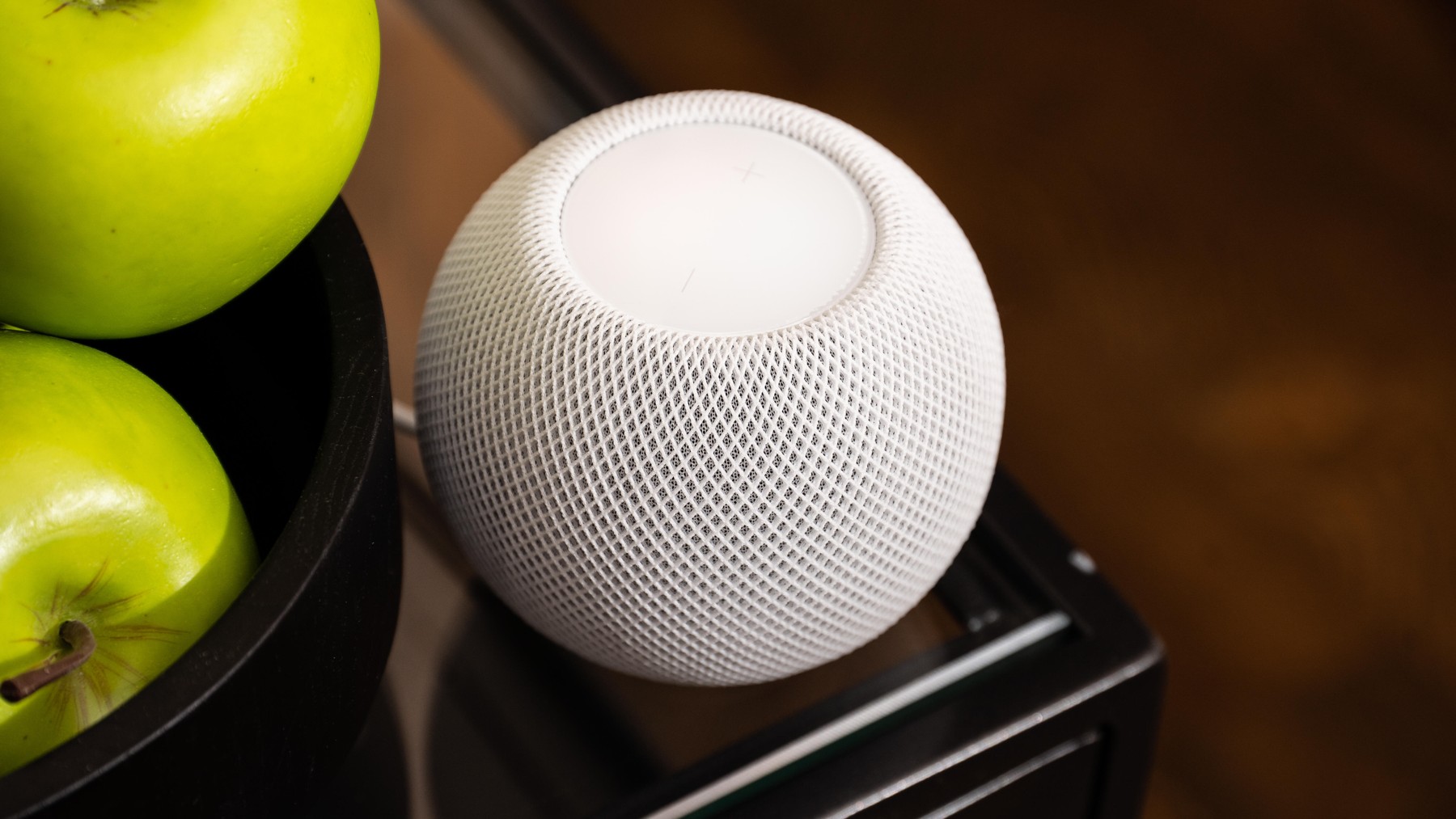
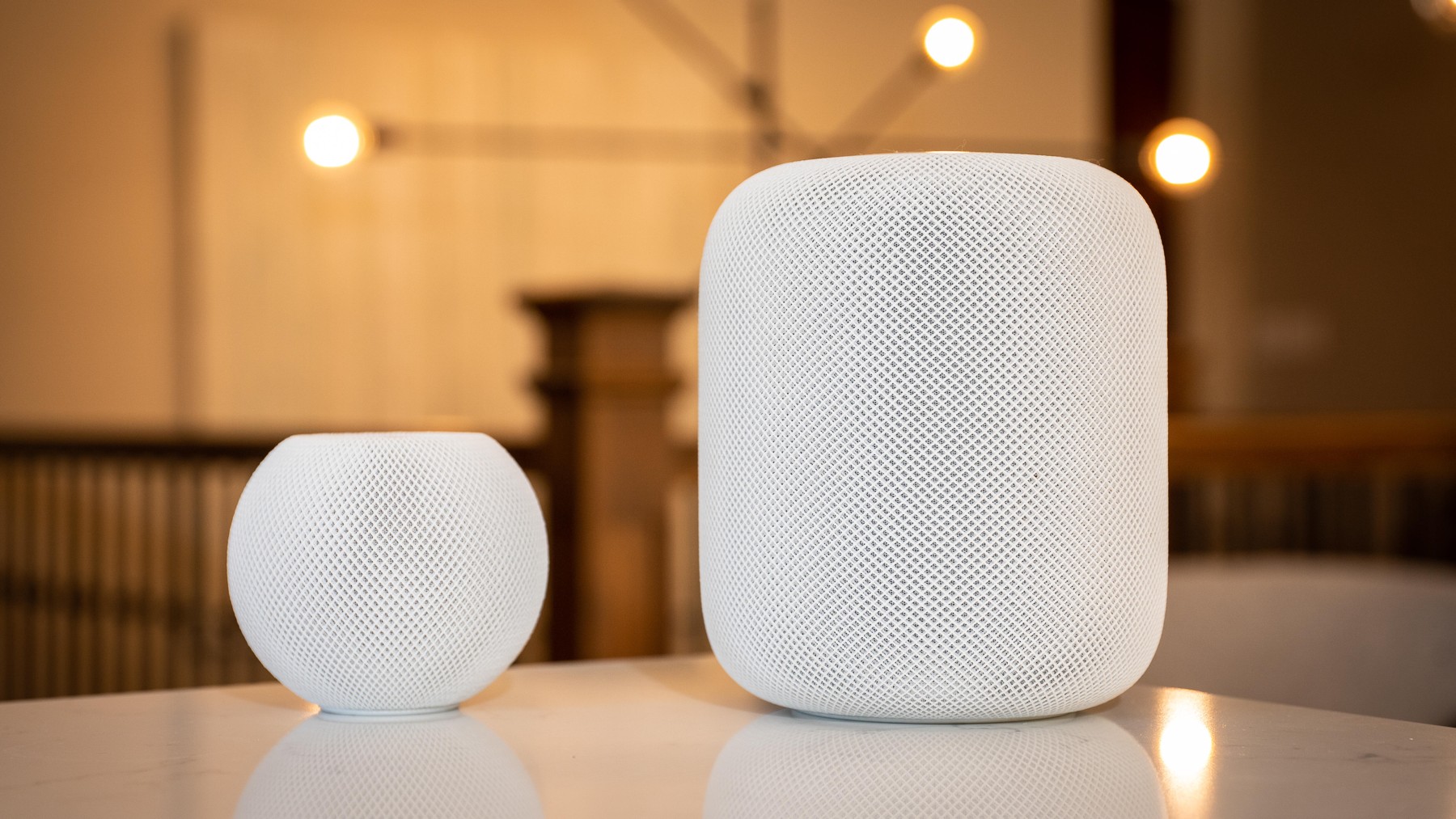
Stereo pairing is an option for two matching mini speakers. It may be attractive for a small room, but it changes the budget and adds a second power location. Compare the full pair with a single larger speaker before deciding. More devices are not automatically a better answer to a room that needs more sound.
For a used purchase, check that the seller can complete the required reset and that the unit can be set up with your hardware. Inspect the cable and included power equipment. A cheap listing is not good value if the speaker cannot join your network or if you need to replace essential accessories immediately.
Consider it for a smaller space in an Apple household with compatible services and accessories. Look elsewhere if you need portable battery audio, a wired audio input or a system centered on a different voice assistant.
The DAMAO verdict
The HomePod mini is easiest to understand as part of an existing Apple routine. Verify your services, accessories and room needs first. Its compact form is convenient, but compatibility is the reason it will either become useful every day or stay mostly silent.
Published Oct 18, 2026. This is a source-based assessment of the model identified above. Pricing, software features and availability can change.
Corrections: damaohello123@damao.com
Noise cancellation, useful controls and a pocketable case make a persuasive combination. The right choice still depends on your phone and your fit.
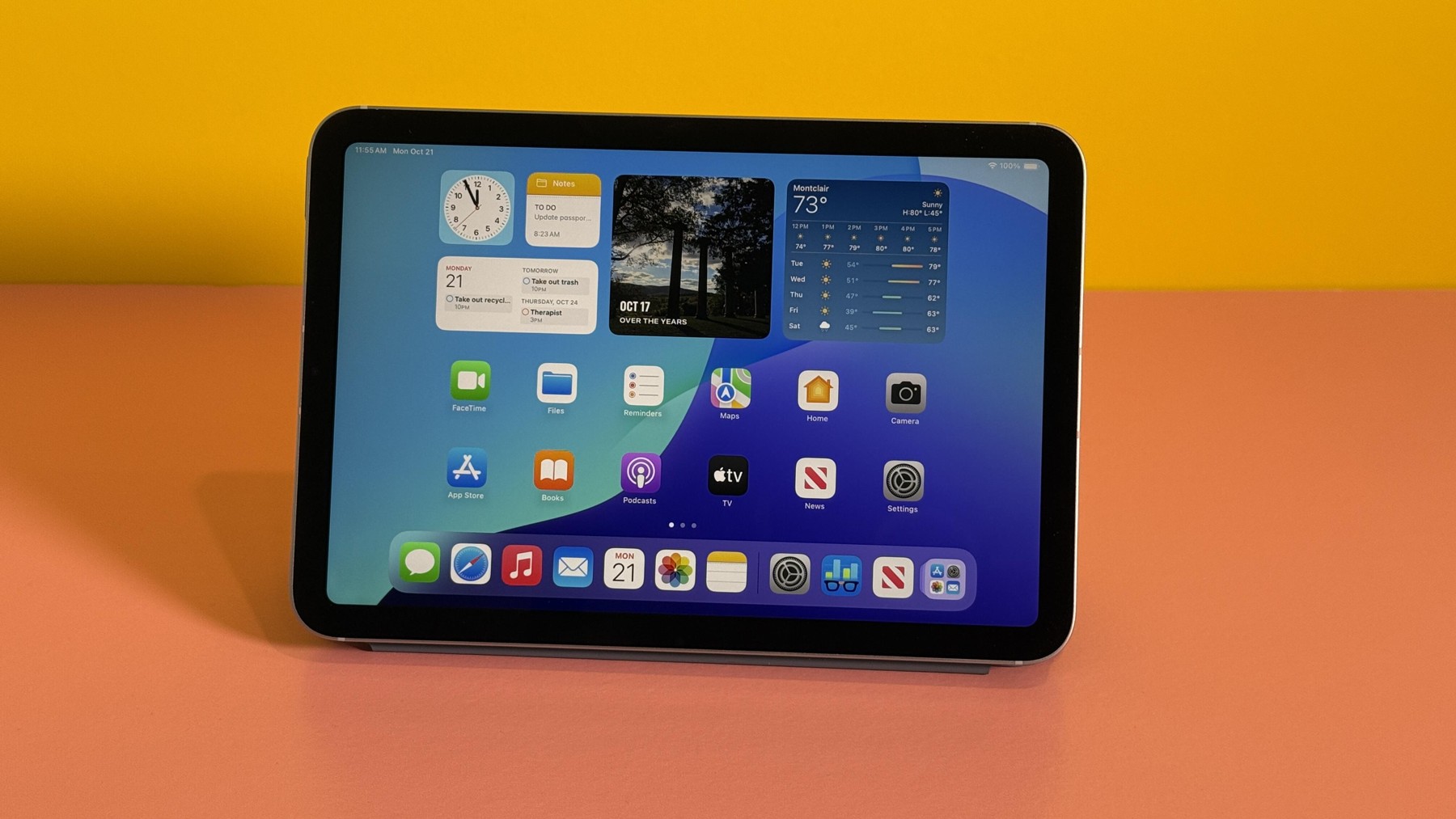
A portable tablet for reading, sketching and travel. Its small format is the reason to buy it, and the limitation you need to accept.
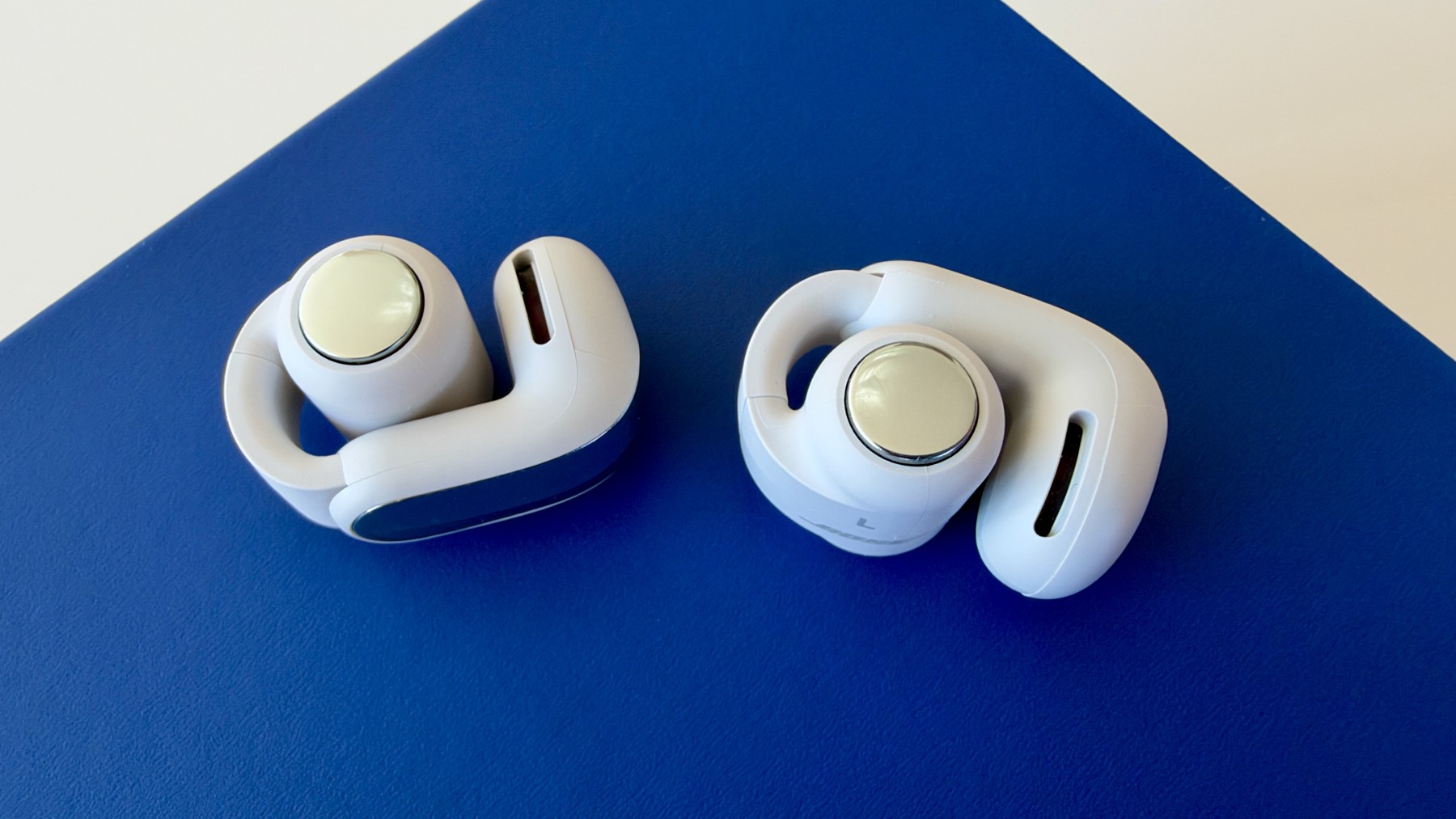
Clip-on earbuds take a different approach to daily audio. We weigh the open fit, shared-space tradeoffs and the case for a premium pair.